Keeping busy
About four years ago, mired in the post pandemic state of the business, I decided it was time to create my own work. But what could I do by myself with limited equipment? I’ve always been a bit of a nerd and interested in the production side of audio and film; at the age of 12 over a school summer holiday I filmed a lightsaber fight in my back garden with a few friends and spent the next couple of months rotoscoping frame by frame in Photoshop. I could only do 4 seconds of footage at a time otherwise my computer would explode, and it was filmed on Hi-8 tape so it was like some kind of Jedi home video, but it sowed a seed.
It was about this time that Unreal Engine 5 released, promising photorealistic graphics and real-time lighting. Whilst first and foremost a video-game engine, there have been some famous cases of its use in film and with a new release it seemed like the perfect time to get to work and learn a new skill.
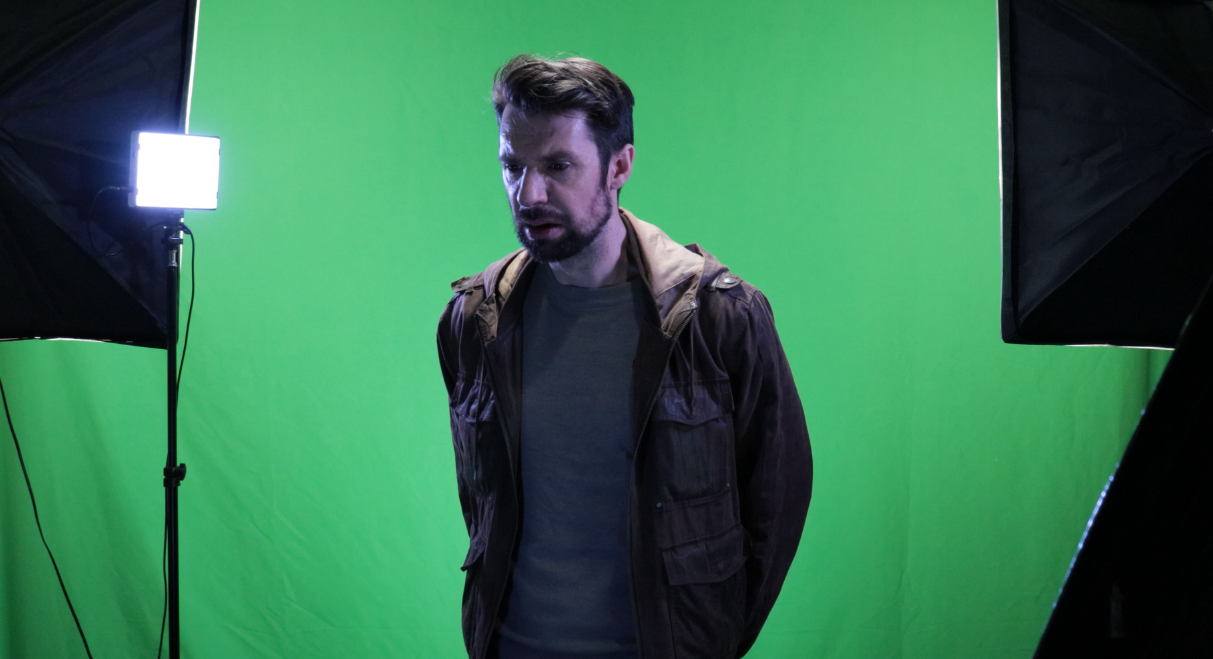
A LOT of reading and tutorials later I had a short scene written, a 3D environment built from scratch, rigged with lighting and virtual cameras. The environment was designed with what I could achieve in my living room (a small location, strong directional lighting). It’s been a stop start project, real life always seems to get in the way, but I have shot the plates, and am ready to get going on the edit, before starting on the rendering and compositing - where the real fun begins.
Up to now I’ve mostly been testing various capabilities. How good a key can I get from the green screen? What camera moves can I use (or cheat in post) to bring a little life and cinematography to the scene? I could spend hours going over the various details and pitfalls encountered in this time, but to save some time I can show you a couple of those tests below.
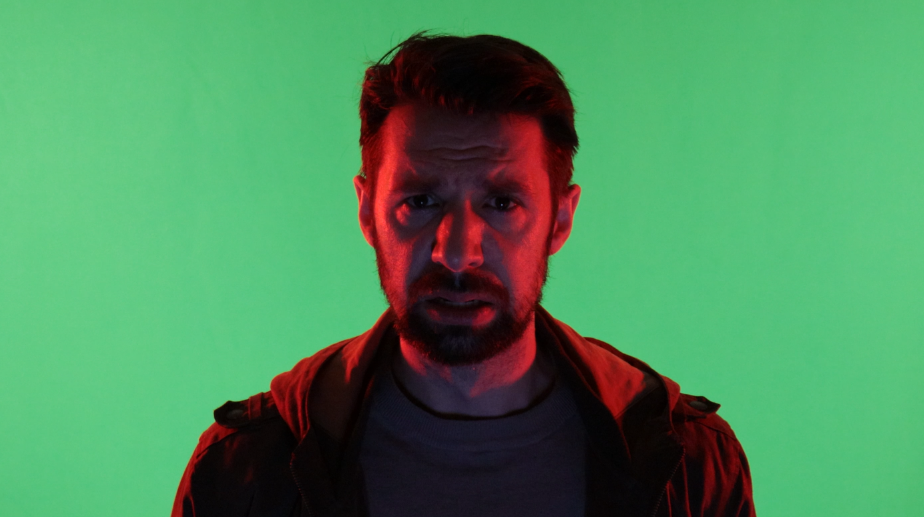
One is a static composition to test the strength of the key, and also layering atmospheric effects to focus on the blending of foreground and background plates.
The other is a tracking test to see if a virtual camera can be used to transform a locked off tripod shot into something a little more dynamic!
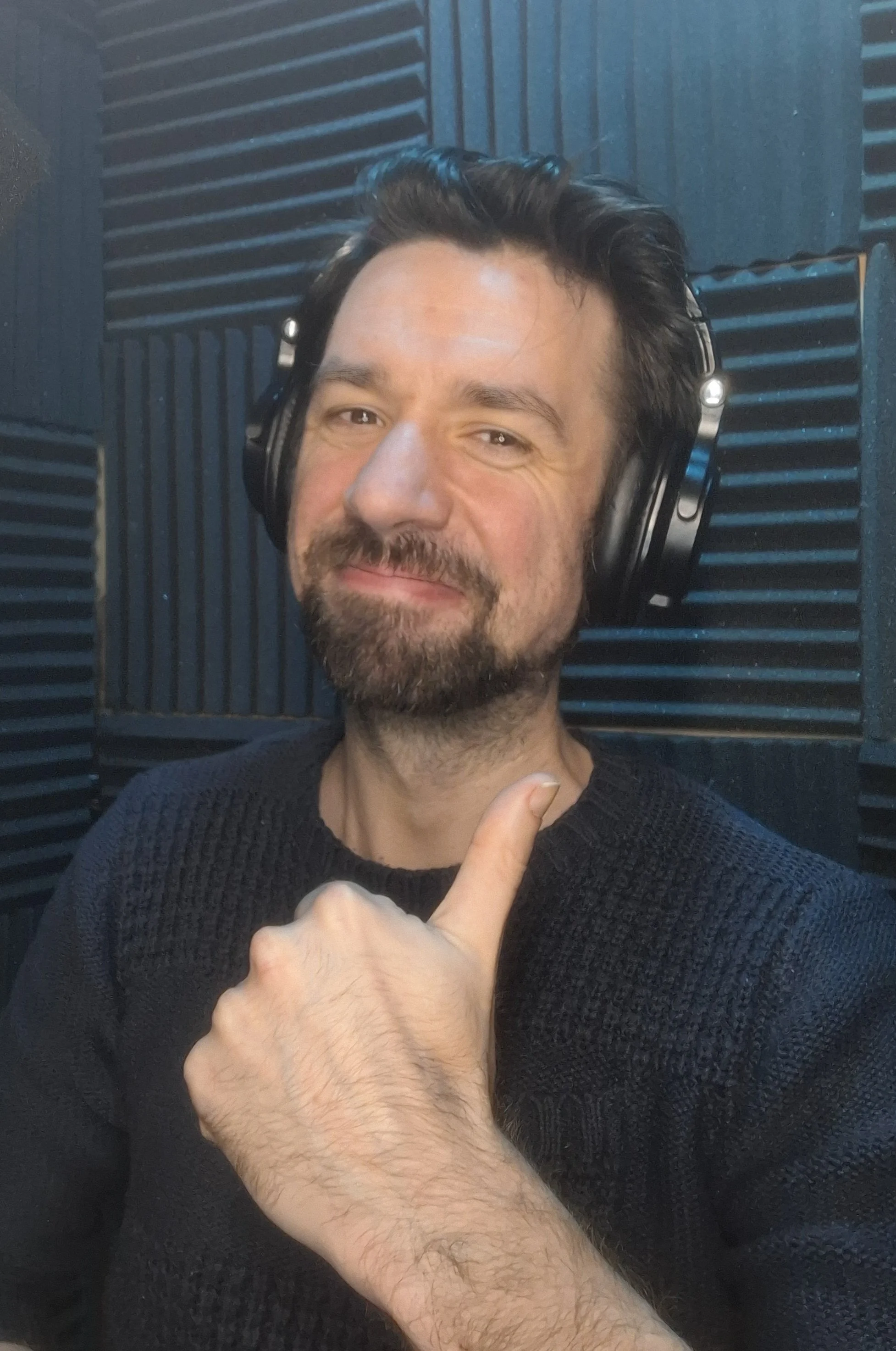
I’ve also built a home studio for voice over work. A freestanding 72 cubic feet booth, fully soundproofed, with space to stand or sit.
- Audio Technica 2020 Condenser Mic
- Edirol UA-25 low latency XLR input
- Adobe Audition for recording/editing
- Full remote capabilities. Stream and record simultaneously (video and audio)
Voiceover work has been so much fun recently; getting to try on a lot of different characters and stretch the acting chops beyond what is usually offered on film.
Currently in the process of updating a commercial reel.